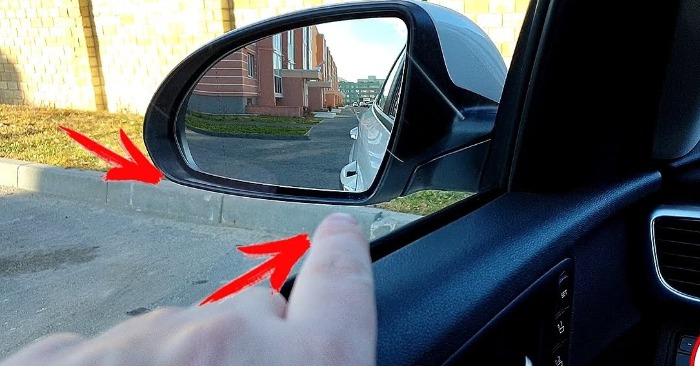
Scratched front bumpers are a common sight everywhere — chipped paint, cracked edges, and scraped plastic show up daily in parking lots and along busy city streets. In most cases, the cause is surprisingly simple: drivers misjudge how close their car actually is to the curb.
This isn’t a problem limited to beginners. Even experienced drivers can fall into the same trap, especially when they switch to a different vehicle and haven’t yet adjusted to its size and front-end clearance.
There is, however, a very simple technique that helps drivers stop with impressive accuracy — often leaving just a few centimeters of space between the bumper and the curb without any contact at all.
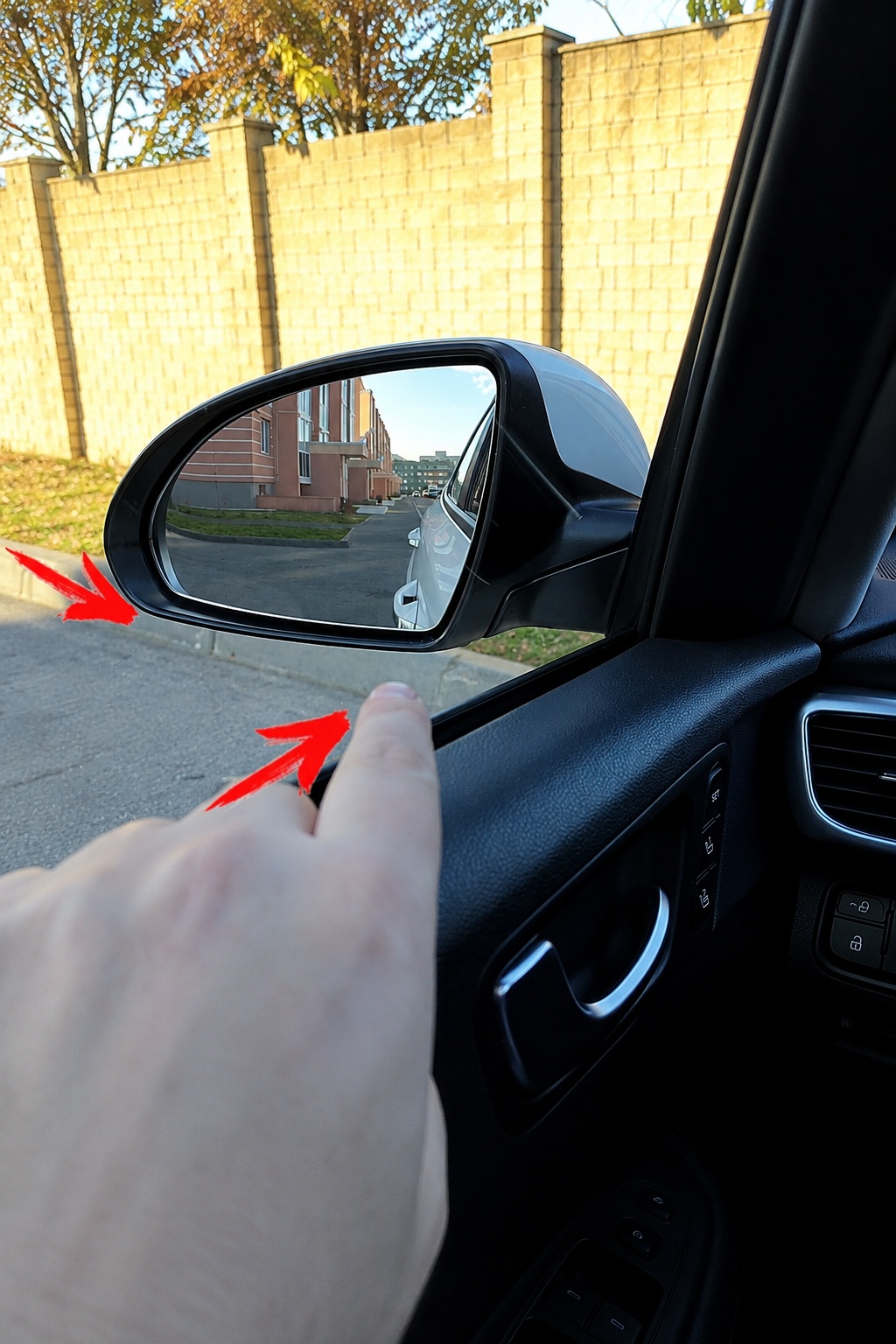
And the trick works on almost any passenger car.
The main challenge in city driving is curb height. In many places, curbs rise around 15 to 25 centimeters above the asphalt. While larger SUVs and crossovers can sometimes roll over them without damage, smaller cars don’t always have that margin of safety.
Most compact and mid-size vehicles only offer about 12 to 16 centimeters of ground clearance, which means even a small miscalculation can lead to a scratched bumper, cracked plastic, or in worse cases, parts of the front end being damaged.
Modern cars with 360-degree camera systems make this kind of parking significantly easier, allowing drivers to stop very close to obstacles with confidence. However, these features are typically reserved for higher trims or newer, more expensive models.
Because of that, many drivers still depend on visual reference points instead.
In fact, some driving schools teach this approach, even if it isn’t always emphasized. The core idea is learning to understand your car’s dimensions by using fixed visual cues from the driver’s seat.
The front bumper is usually the most at risk during parking since it sits lower than the sides and rear of most vehicles, making it easier to misjudge its proximity to the curb.

The first step is simple but crucial.
Before approaching the curb, the steering wheel should be kept straight so the vehicle moves in directly rather than at an angle. Parking diagonally increases the chance of the front bumper contacting the curb much sooner than expected.
Then comes the actual technique.
The driver should sit in a natural position behind the wheel without leaning forward or slouching. As the car slowly approaches the curb, the key is to visually align the lower edge of the curb with the lower edge of the side mirror housing.
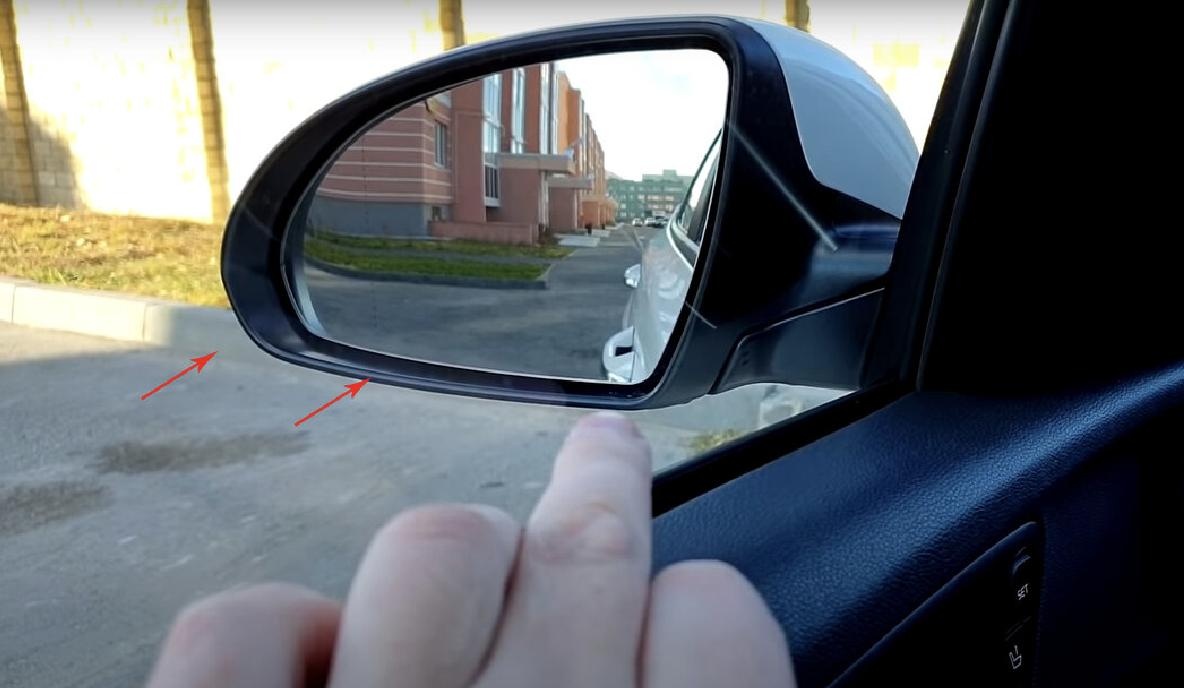
For very low cars, this typically results in about 30 to 40 centimeters of clearance, but for most vehicles the method proves to be remarkably accurate.
Drivers who want to park even closer can rely on a second visual reference.
Instead of matching the bottom edge of the curb with the lower edge of the side mirror, they can align the top edge of the curb with the same point on the mirror. This adjustment allows the vehicle to come much closer to the curb — often stopping with only about 5 to 7 centimeters of space remaining between the bumper and the edge.
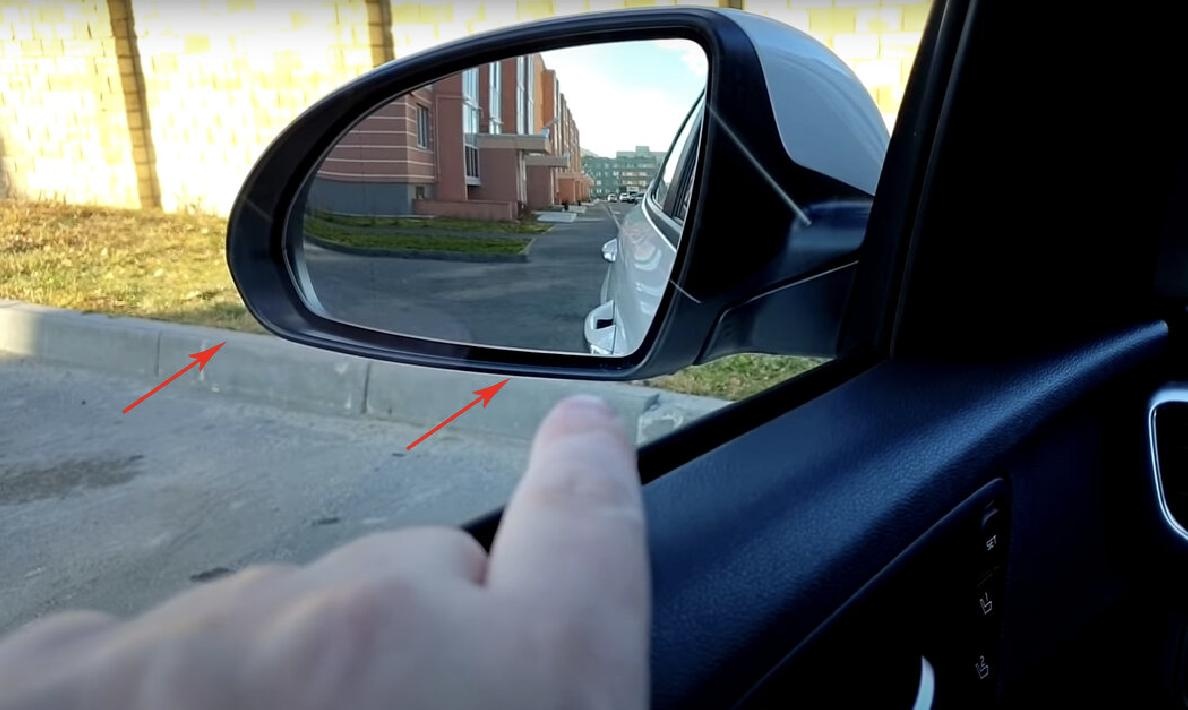
Using this method, some drivers are even able to park large D-segment sedans with only a minimal gap left in front of the bumper.
After mastering the technique, many report that front-in parking becomes noticeably easier and far less stressful, particularly in dense urban areas where every centimeter of space can make a difference.